

 See My Latest Article on HelloNation
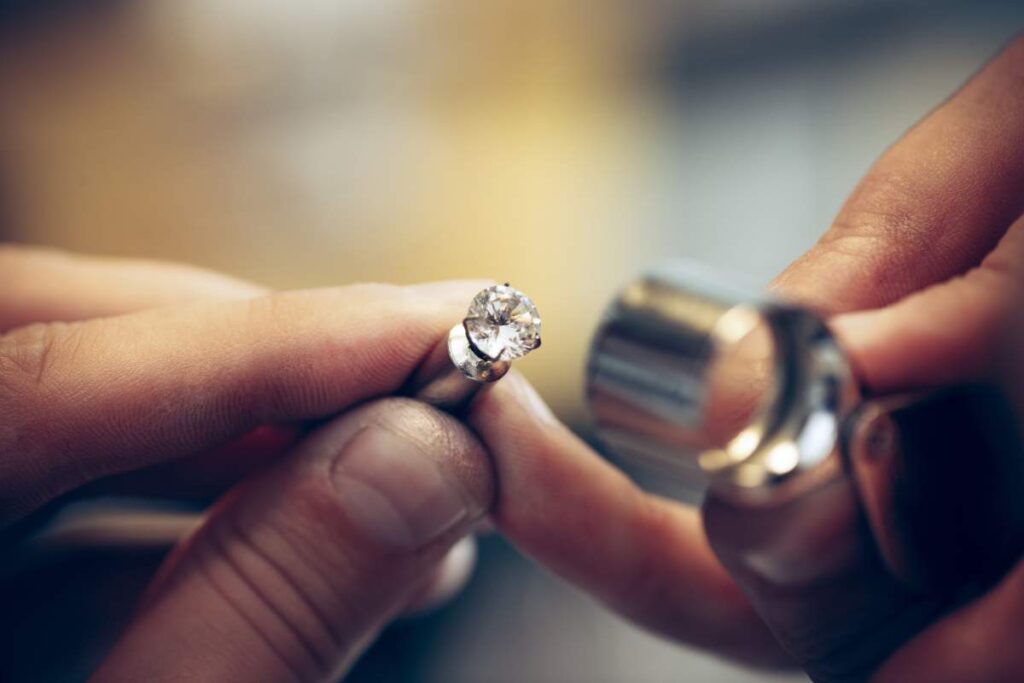
What Is a Lab-Grown Diamond?
A lab-grown diamond is a real diamond produced through man-made processes, rather than being mined from the earth. These diamonds have the same physical, chemical, and optical properties as natural diamonds, but are created in a laboratory setting. In Glastonbury, CT, residents may see lab-grown diamonds offered at similar places where traditional gems are found, making it important to understand what sets them apart.
Laboratory creation uses two main methods—High Pressure High Temperature (HPHT) and Chemical Vapor Deposition (CVD)—both of which replicate the conditions under which natural diamonds form. The process generally takes several weeks, versus millions of years for mined diamonds. Once complete, lab-created diamonds are cut and graded much like their natural counterparts.
How Do Lab-Grown Diamonds Compare to Mined Diamonds?
Lab-grown diamonds are essentially identical to earth-mined diamonds in almost every physical sense. Both types can be graded on the same scales for cut, clarity, color, and carat weight. Advanced testing equipment is sometimes needed to distinguish between the two.
Structurally and visually, lab-grown diamonds sparkle in much the same way as geological diamonds. For gift-giving or milestone celebrations popular in the city—such as engagements or anniversaries—most shapes and sizes available for mined stones can also be sourced as lab-grown options.
Why Are Lab-Grown Diamonds Popular Among Glastonbury Households?
Local residents may consider lab-grown diamonds for several reasons—ranging from cost to concerns about environmental impact. The appeal is often strongest among those who:
- Value transparency about a gem’s origin
- Are mindful of sustainability or ethical sourcing
- Wish to maximize carat size or quality for a given budget
In communities like Glastonbury, where environmental awareness and education have long been priorities, some households see lab-grown stones as a way to balance beauty and conscience.
What Are the Main Advantages of Lab-Grown Diamonds?
The benefits can be practical as well as ethical. Highlights include:
- Affordability: Lab-grown diamonds often cost 30-40% less than mined stones of comparable size and quality.
- Sustainability: Creating gems in a lab typically uses less land and water, and avoids traditional mining’s environmental disturbances.
- Traceable Origins: Reputable lab-created diamonds come with clear documentation of their process and journey.
- Quality Control: Because labs carefully monitor each step, lab-grown stones can be engineered for exceptional clarity and color, though variation still occurs.
For gift-giving occasions or family jewelry pieces, these factors may offer peace of mind in the eyes of Glastonbury residents seeking transparency.
Are There Any Downsides to Lab-Grown Diamonds?
While lab-created gems solve some common concerns around mining, several challenges and considerations remain:
- Value Over Time: Lab-grown diamonds, while beautiful and durable, don’t always retain resale value at the same rate as mined stones. If reselling or passing jewelry down through generations is a key concern, this is worth weighing.
- Perceived Prestige: For some, the tradition of a mined diamond holds special emotional significance, whether due to history, culture, or personal beliefs.
- Misconceptions: Despite being real diamonds, lab-grown options are sometimes mistaken for “fakes” or alternatives like cubic zirconia. This can lead to confusion, especially when discussing jewelry among family or friends.
- Local Insurance Practices: Some jewelry insurers in Glastonbury may treat lab-grown jewelry differently, estimating replacement costs or premiums differently from those for mined stones.

How Can Residents Make an Informed Choice?
Evaluating lab-grown versus mined diamonds mainly comes down to personal priorities. Here are a few things local residents might consider before purchasing:
- Compare the specific grading report for any diamond—lab-grown or mined. Certification ensures accurate quality assessment.
- Think about the role the piece will serve. For family heirlooms, resale concerns may matter more. For personal or fashion jewelry, price and origin might be prioritized.
- Research how homeowners’ or jewelry insurance policies in Glastonbury categorize and value lab-grown diamonds if coverage is desired.
When in doubt, reviewing educational resources or seeking neutral guidance can clarify which diamond type aligns with individual values, occasion, and expectations.
Are Lab-Grown Diamonds Accepted for Local Repairs and Appraisals?
Most local jewelers and appraisers in Glastonbury are familiar with handling, resizing, or setting lab-grown diamonds. However, because each stone is unique and documentation varies, it helps to save any certification paperwork. This can streamline the process, ensure accurate appraisals, and provide peace of mind during repairs or adjustments.
Common Misunderstandings About Lab-Grown Diamonds
Some area residents may hear conflicting information about lab-grown stones. Common misconceptions include:
- “They’re not real diamonds.” In truth, lab-grown diamonds have the same carbon structure as those formed in the ground.
- “They’re all flawless.” While high lab standards can reduce inclusions, imperfections can still occur. Always review grading reports.
- “You can always spot the difference.” To the naked eye, even trained professionals rely on specialized equipment for identification.
Understanding these distinctions can help residents confidently discuss and choose the right jewelry for any milestone, celebration, or personal milestone in the city.