

 See My Latest Article on HelloNation
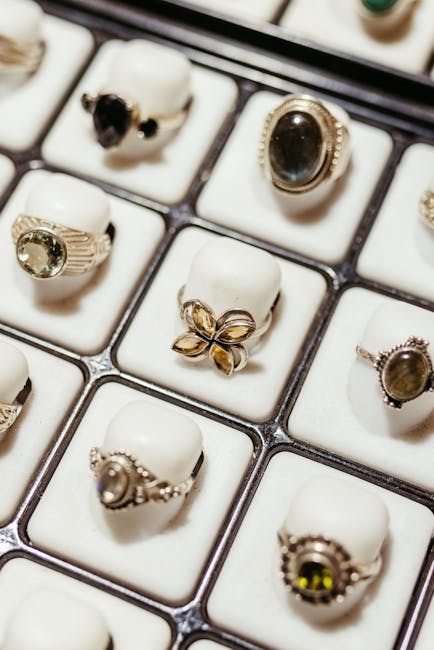
Living in Glastonbury, CT, with its blend of picturesque small-town charm and modern flair, jewelry often plays a big part in our special occasions and daily fashion. Whether you’re visiting the town’s quaint boutiques, attending the Apple Harvest Festival, or shopping for that perfect gift, knowing if your jewelry is truly gold or silver can make all the difference. As a trusted local jewelry expert, I've gathered proven and practical methods to help you determine the authenticity of your pieces—no professional tools required.
Why Authenticity Matters in Glastonbury
Glastonbury’s close-knit community values trust, history, and craftsmanship. With these values in mind, ensuring your jewelry is genuine not only helps maintain its value but also honors the spirit of gifting and family traditions that abound at local celebrations. Genuine gold and silver jewelry also provide better longevity, hypoallergenic benefits, and lasting beauty.
Quick Visual Checks You Can Do at Home
Start with a simple visual inspection. Here’s how:
- Hallmarks and Stamps: Look for markings, usually found inside rings or on necklace clasps.
- Gold is typically marked as “10K,” “14K,” “18K,” “22K,” or “24K.” You may also see “GF” for gold-filled or “GP” for gold-plated.
- Silver is often marked “925,” “Sterling,” “Ster,” or “.925”, indicating 92.5% pure silver.
- Tarnish: Pure gold won’t tarnish, but silver can develop a dark patina over time. Silver-plated items might show flaking or reveal a different color underneath if worn.
In Glastonbury, where vintage pieces are often passed down or rediscovered at estate sales, those marks are your first clue about authenticity.
Testing Gold at Home: Simple and Safe Methods
The Magnet Test
Gold is not magnetic. If you place a strong household magnet near your gold piece and it’s attracted to the magnet, your item likely contains other metals or isn’t genuine gold.
The Skin Test
On a warm summer day at Riverfront Park, if your gold jewelry leaves a green, black, or red mark where it touches your skin, it might be fake. Real gold of 14K and above is typically hypoallergenic and does not react with sweat or skin oils.
The Float Test
True gold is dense and should sink in water. Gently drop your item into a cup of room-temperature water. If it floats or hovers, it’s probably not real gold.
The Vinegar Test
Although not recommended for pieces with intricate designs or delicate stones, you can place a drop of white vinegar on an inconspicuous spot. Real gold will not react, but other metals might change color.
Testing Silver at Home: Practical Approaches
The Ice Test
Silver has the highest thermal conductivity of all metals. Place an ice cube on your silver piece—if it starts melting exceptionally fast, your jewelry could be real silver. This fun experiment is perfect to try during Glastonbury’s festive get-togethers!
The Magnet Test for Silver
Like gold, silver is not magnetic. If your piece sticks to a magnet, it’s likely made from another metal.
The Rub Test
Rub your silver item with a white cloth. If black marks appear, it’s a good sign—it means the silver is oxidizing, which real silver does when exposed to air.
Professional Assessment
Local Glastonbury jewelry stores and goldsmiths can perform more advanced, non-destructive testing. Techniques such as acid testing or electronic gold testers provide definitive answers. Trusted jewelers may also issue a certificate of authenticity.
If you’re ever uncertain (especially with family heirlooms or estate sale finds), make an appointment with a reputable local expert for peace of mind.
How to Avoid Buying Fake Jewelry Locally
Glastonbury’s vibrant markets and antique stores are filled with treasures, but always:
- Buy from trustworthy vendors with excellent reviews.
- Ask for documentation or proof of metal content.
- Inspect items for hallmarks and ask about return policies.
Common Myths About Gold and Silver
Let’s clear up a few misconceptions often heard at Glastonbury gatherings:
- “Gold always looks yellow and shiny.” Gold comes in various colors (white gold, rose gold) and finishes. Shiny surface alone doesn’t prove authenticity.
- “All silver looks perfectly white.” Real silver develops a warm, soft patina over time—a sign it’s genuine.
- “If it’s old, it’s real.” Antique status doesn’t always guarantee authenticity. Always check for hallmarks and conduct basic tests.
Caring for Your Real Gold and Silver
Authentic pieces deserve proper care:
- Store jewelry in dry, separate pouches to prevent scratches and tarnishing.
- Clean silver with a soft polishing cloth and store in anti-tarnish bags.
- Remove jewelry when swimming, gardening, or attending Glastonbury’s outdoor festivals—chlorine and dirt can damage both metals.
The Glastonbury Lifestyle and Lasting Value
With our town’s love for tradition and family, gifting and inheriting real jewelry carries deep meaning. Taking just a few minutes to authenticate your gold and silver means you’re preserving not just monetary value, but cherished memories—as timeless as Glastonbury itself.
When in Doubt, Seek Local Help
If your tests are inconclusive or you want to be absolutely certain, remember there are professionals in Glastonbury who can help. Supporting local experts not only ensures trustworthy service, but also upholds the proud community values at the heart of Glastonbury living.
Next time you slip on your favorite ring or necklace, you’ll know exactly what to look for—so enjoy your pieces with confidence, whatever the occasion!