

 See My Latest Article on HelloNation
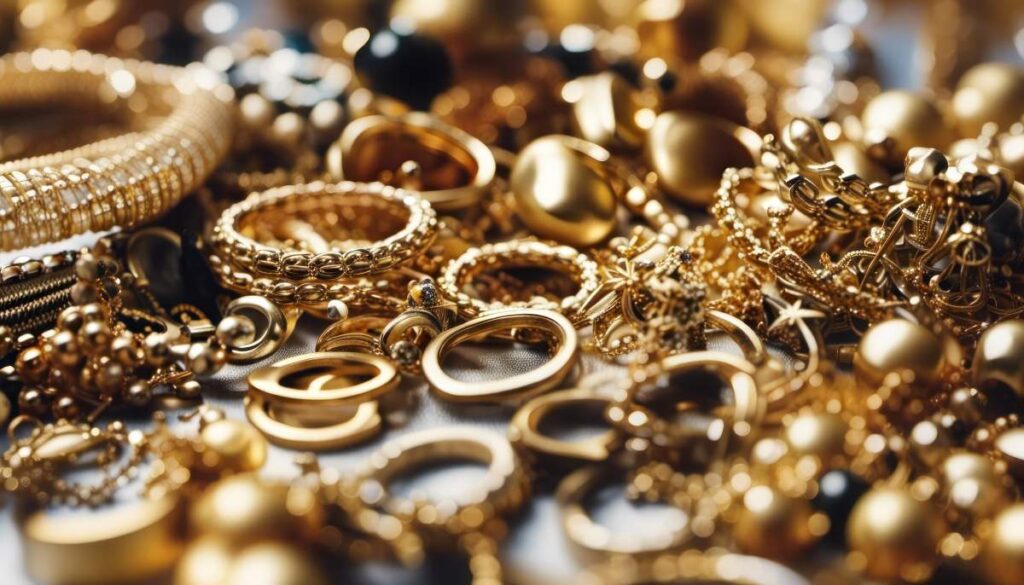
Antique and vintage jewelry deserves different care from modern, mass-produced pieces. Older jewelry may contain softer metals, fragile settings, hand-cut gemstones, aged adhesives, or repairs that are no longer obvious. Careful storage and gentle cleaning can help preserve its appearance without damaging its history or value.
How is antique jewelry different from modern jewelry?
Antique jewelry is generally more than 100 years old, while vintage jewelry is usually at least 20 to 30 years old. These terms describe age, not condition. A piece can be beautifully preserved, heavily worn, altered, or repaired.
Older jewelry may have:
- Thinner prongs and delicate chains
- Hand-cut or irregularly shaped stones
- Foil-backed, closed-back, or porous gemstones
- Antique solder joints
- Enamel, pearls, or glued components
- Patina that is part of the piece’s character
- Previous repairs that require special handling
A ring that looks sturdy may still have weakened metal around the stone. A necklace may appear clean while its clasp or connecting links are close to failure. Age alone does not make jewelry fragile, but it does make careful inspection more important.
How should antique and vintage jewelry be cleaned?
The safest general method is gentle surface cleaning with a soft, dry cloth. For pieces known to tolerate moisture, use lukewarm water with a small amount of mild soap, then rinse briefly and dry completely.
Avoid soaking older jewelry unless its materials and construction are well understood. Water can become trapped beneath stones, inside hollow settings, or behind decorative elements. This is especially concerning for pieces with foil backing, porous gems, glued parts, or areas of tarnish that may conceal weakness.
A cautious cleaning routine includes:
1. Place a soft towel over the work area or clean the piece over a bowl rather than an open sink.
2. Use a soft makeup brush or jewelry brush to remove loose dust.
3. If appropriate, wipe with a barely damp cloth and diluted mild soap.
4. Rinse with a separate damp cloth instead of submerging the jewelry.
5. Pat dry with a lint-free cloth.
6. Allow the piece to air-dry fully before storing it.
Do not use toothpaste, baking soda, abrasive polishing creams, or stiff toothbrushes. These can scratch metal and gemstones or remove surface details. Ultrasonic cleaners and steam cleaners are also risky for many older pieces because vibration, heat, and moisture may loosen stones or damage treatments.
Which gemstones need extra caution?
Pearls, opals, emeralds, turquoise, coral, amber, ivory, and some antique glass stones require special care. These materials may be porous, relatively soft, heat-sensitive, or vulnerable to chemicals.
Pearls should be wiped with a soft cloth after wearing and kept away from perfume, hairspray, cosmetics, household cleaners, and perspiration. They should not be submerged for long periods because moisture can weaken the thread holding a strand together.
Opals can be affected by sudden temperature changes and may crack if exposed to heat or harsh chemicals. Emeralds often contain natural inclusions or treatments that make them less suitable for ultrasonic or steam cleaning. Turquoise, coral, amber, and antique glass should generally be cleaned with a soft, slightly damp cloth rather than commercial jewelry solutions.
Diamonds, sapphires, and rubies are durable, but the setting around them may not be. A hard stone can remain intact while an old prong bends or breaks. Cleaning decisions should consider the entire piece, not only the gemstone.
How should jewelry be stored in a seasonal climate?
Jewelry should be stored in a cool, dry, stable environment away from direct sunlight and rapid temperature changes. Seasonal humidity and heating in Glastonbury can affect metals, organic gems, threads, adhesives, and storage materials.
Keep each piece separate to prevent scratches and tangling. Soft fabric pouches, lined compartments, or individual boxes work better than a loose pile in a drawer. Necklaces should be fastened before storage, and delicate chains should lie flat whenever possible.
Avoid storing jewelry in bathrooms. Frequent changes in humidity can accelerate tarnish and affect materials such as pearls, opals, silk threads, and vintage adhesives. A bedroom drawer or another interior storage area is usually more stable.
For pieces with sentimental or financial importance, make a simple record that includes:
- A description of the item
- Photographs from several angles
- Any visible hallmarks or inscriptions
- Approximate dimensions
- Known family history
- The date of the last inspection
This documentation can help identify changes in condition and preserve information that may otherwise be lost between generations.
Can antique jewelry be worn every day?
Some vintage pieces can be worn regularly, but daily use is not appropriate for every item. Wear depends on the construction, materials, condition, and activity involved.
Remove older jewelry before:
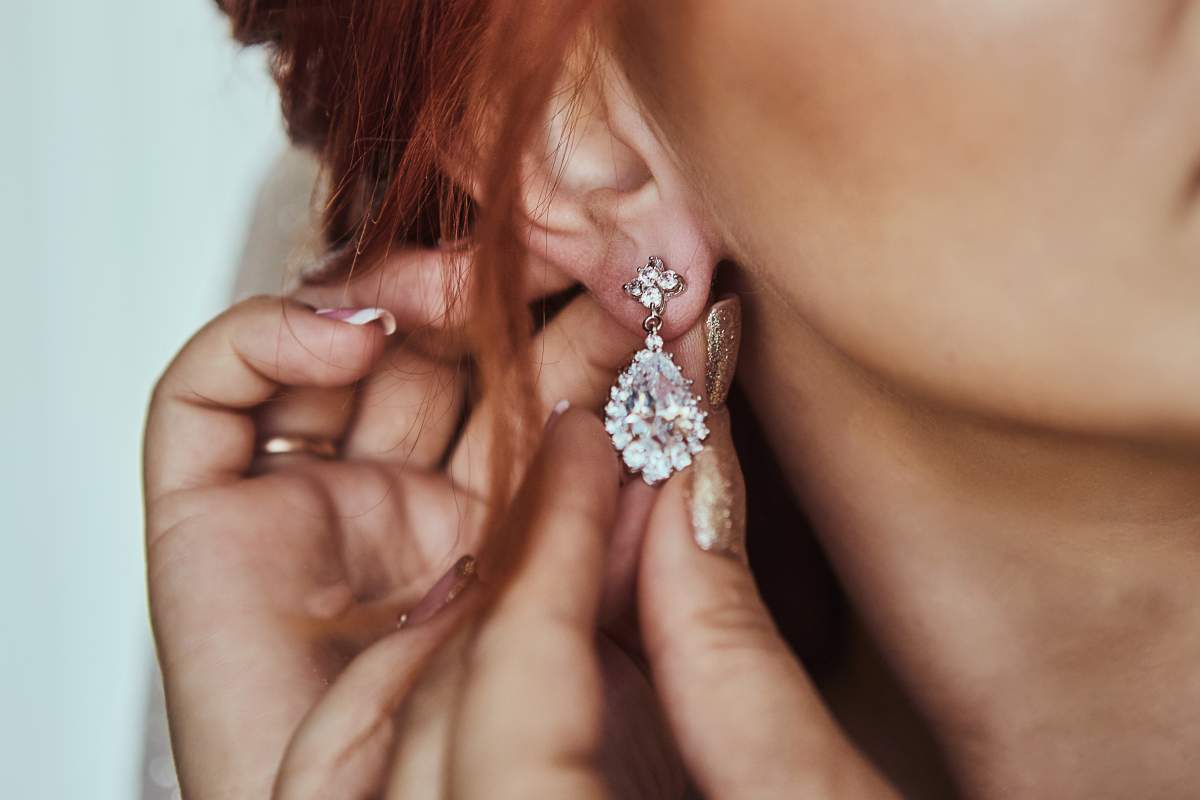
- Showering, swimming, or exercising
- Gardening, cleaning, or using household chemicals
- Applying lotion, perfume, or hair products
- Sleeping
- Handling heavy tools or equipment
- Participating in activities that may snag a chain or bend a setting
Rings often receive the most damage because they contact hard surfaces repeatedly. An antique ring with a delicate setting may be better reserved for occasional use, while a sturdy brooch or pendant may tolerate more frequent wear.
Putting jewelry on after cosmetics and removing it before changing clothes can reduce exposure to chemicals and snagging. Do not pull a chain through clothing or use a pin, earring, or clasp as a makeshift fastener.
How can loose stones and weak settings be spotted?
Inspect jewelry under good lighting before wearing it. Gently touch, but do not force, each stone to see whether it moves. Check prongs, bezels, clasps, jump rings, hinge points, and the backs of earrings.
Warning signs include:
- A stone that clicks or shifts
- Prongs that feel thin, sharp, or uneven
- A clasp that does not close securely
- A chain link that appears stretched
- Cracks, chips, or cloudy areas in a gemstone
- Missing enamel or lifting decorative elements
- A sudden change in the shape of a ring or bracelet
If a stone is loose, place the item in a small container rather than wearing it. Do not apply glue. Household adhesives can discolor materials, make later repairs more difficult, and trap dirt around the setting.
What should be done after jewelry gets wet?
Dry jewelry promptly with a soft cloth and allow it to finish drying in an open, shaded area. Do not use a hair dryer, radiator, oven, or direct heat. Sudden heat can damage stones, loosen adhesives, stress enamel, or affect older metalwork.
If a piece has been exposed to salt water, chlorine, household cleaner, or a sugary substance, wipe it gently with a clean, damp cloth if the materials allow. Jewelry containing pearls, porous stones, foil-backed gems, or delicate antique construction should be handled conservatively rather than rinsed aggressively.
Older jewelry benefits from patience. Gentle handling, separate storage, limited exposure to chemicals, and regular visual checks can protect both its physical condition and the family history attached to it.