

 See My Latest Article on HelloNation
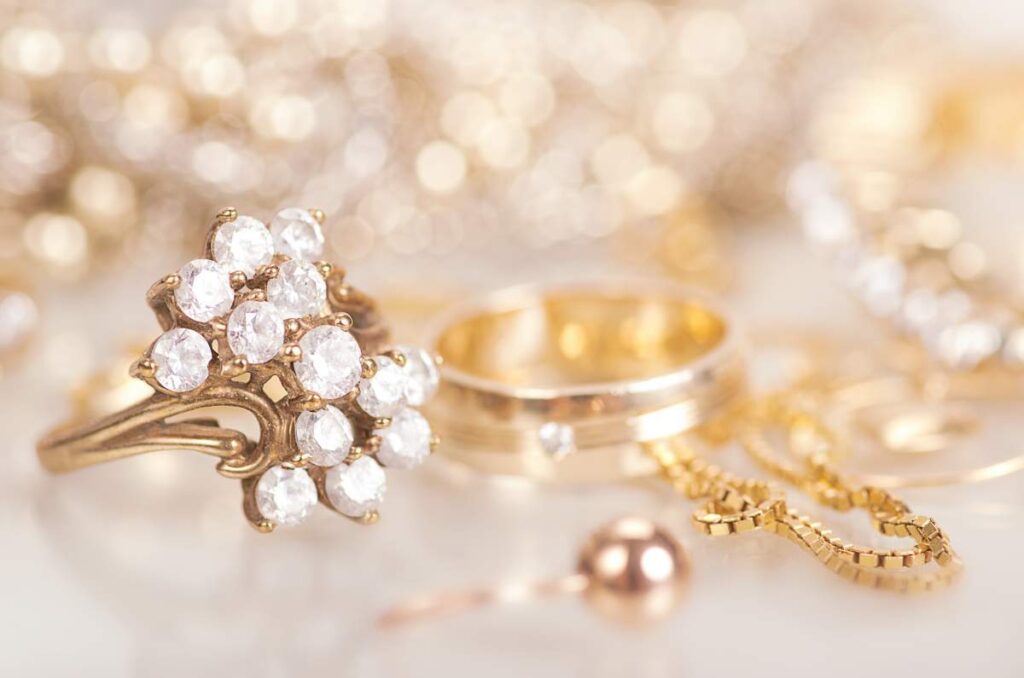
The jewelry outlook for 2026 points toward more personal, noticeable pieces rather than a single dominant style. Sculptural silver, colorful gemstones, updated pearls, mixed metals, and carefully layered jewelry are expected to remain especially relevant.
For residents of Glastonbury, trend awareness does not require replacing an entire jewelry collection. A few thoughtful changes can make familiar pieces feel current while preserving items with personal, family, or long-term value.
What jewelry trends are expected to be strongest in 2026?
The clearest direction is a move away from extremely restrained, barely visible jewelry. Current forecasts emphasize stronger shapes, tactile surfaces, and combinations that show personality.
That does not mean delicate jewelry is disappearing. Fine chains, small studs, and simple bands remain practical foundations. The change is that these understated pieces are increasingly being worn alongside one distinctive item, such as a broad cuff, unusual pendant, colored gemstone ring, or sculptural earring.
The most useful trend categories to watch include:
- Sculptural silver and rounded metal forms
- Colorful gemstones and unusual stone shapes
- More expressive pearl designs
- Curated necklace, bracelet, and ring layering
- Mixed-metal combinations
- Vintage-influenced and sentimental jewelry
- Brooches and other less frequently worn accessories
Is silver jewelry becoming more popular again?
Yes. Silver is expected to have a stronger presence in 2026, particularly in substantial, sculptural designs. Instead of only thin silver chains or small charms, the trend includes curved cuffs, rounded links, bold hoops, and rings with a fluid or hand-shaped appearance.
Silver can be practical for everyday wardrobes because it works with denim, knitwear, black clothing, winter layers, and casual clothing. Larger silver pieces may also provide visual interest when clothing is bulky or darker during the colder months.
A common misconception is that silver jewelry must look either traditional or highly casual. Current designs range from polished and architectural to organic and slightly irregular. A simple silver band can look contemporary when paired with a textured ring or a clean, wide bangle.
Silver does require care. Moisture, skin oils, household chemicals, and prolonged exposure to air can contribute to tarnish. Storing pieces dry and separate from one another helps reduce scratching and surface discoloration.
Which gemstones may be especially noticeable?
Color is likely to play a larger role in jewelry choices. Blue, green, red, yellow, and pink stones can add personality without requiring a large or elaborate piece.
The most wearable approach is often a single colored gemstone used as the focal point. For example, a colored stone ring can be paired with plain metal bands, or a gemstone pendant can add interest to a neutral sweater. This keeps the look adaptable rather than overly coordinated.
Unusual stone shapes are also gaining attention. Oval, pear, cushion, freeform, and asymmetrical outlines may appear alongside traditional round stones. The appeal is less about rarity and more about individuality: two stones of similar color can look completely different because of their cut and outline.
Residents should also consider durability before wearing a gemstone every day. Some stones are more vulnerable to scratches, sudden temperature changes, or household chemicals than others. Jewelry intended for frequent wear should be chosen with lifestyle, hand use, and storage habits in mind.
How are pearls changing?
Pearls are moving beyond formal strands and conventional matching sets. Fresh interpretations include irregular or baroque shapes, mixed pearl sizes, pearl-and-metal combinations, and designs that place pearls with colorful stones or heavier chains.
These styles can make pearls feel appropriate for everyday clothing rather than only weddings, ceremonies, or dressier events. A single irregular pearl pendant, small mismatched earrings, or a short pearl bracelet may be easier to wear regularly than a traditional long strand.
Pearls remain relatively soft compared with many gemstones. Perfume, hairspray, cosmetics, perspiration, and cleaning products can damage their surface over time. Putting pearl jewelry on after applying personal-care products and wiping it gently with a soft cloth afterward can help preserve its appearance.
Is jewelry layering still fashionable?
Layering is expected to continue, but with a more deliberate appearance. Wearing many pieces at once can look cluttered when every item has the same scale, length, or visual weight. A more balanced arrangement usually combines differences.
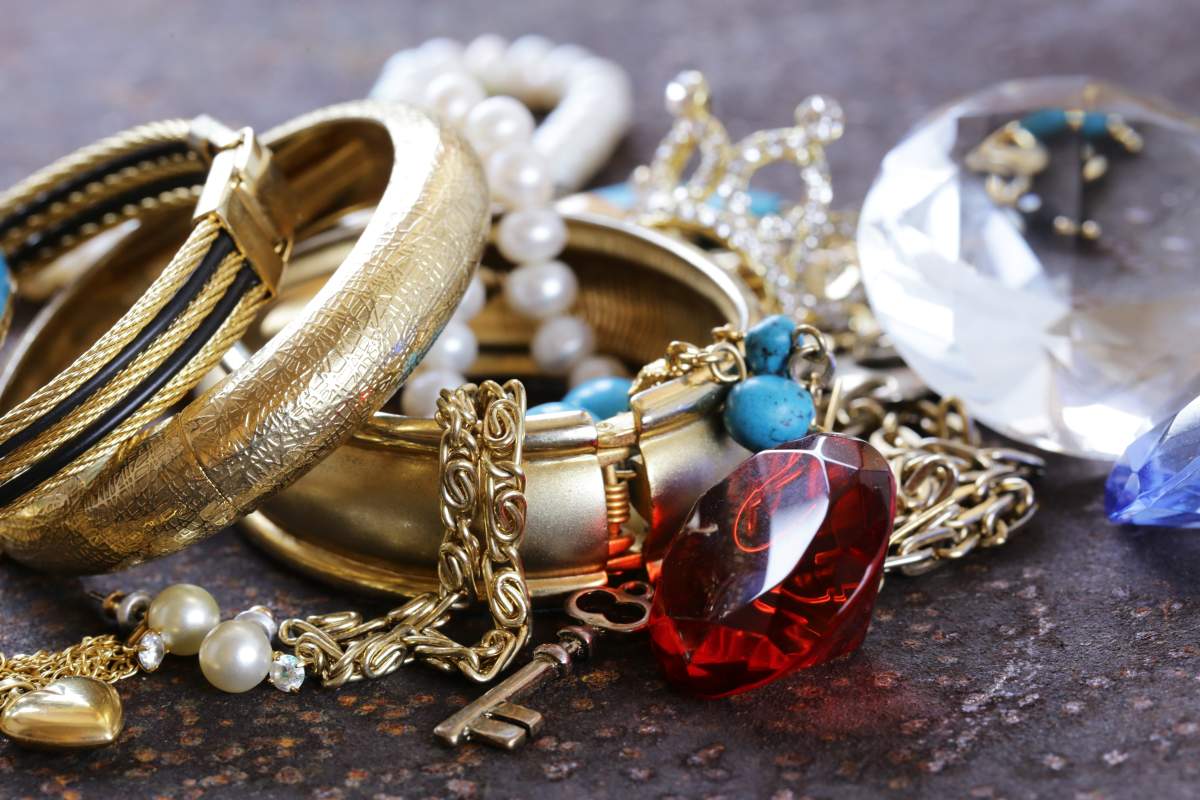
For necklaces, consider varying chain lengths or pairing one pendant with a plain chain. For rings, a narrow band can offset a wider ring. Bracelets can be mixed by texture, but several rigid pieces may become uncomfortable during typing, driving, or household work.
A practical rule is to choose one primary area of emphasis:
- Layer necklaces while keeping earrings simple.
- Wear several rings while using a single bracelet.
- Choose larger earrings and reduce the number of necklaces.
This approach makes layering easier to wear in professional settings and during everyday activities.
Why are mixed metals appearing more often?
Combining yellow gold, white metal, rose-toned metal, and silver can make a jewelry collection more flexible. Mixed-metal jewelry also helps connect older pieces with newer ones, especially when a household has inherited items collected over many years.
The combination does not need to be perfectly equal. One metal can serve as the main color while a second appears in a ring, clasp, pendant, or pair of earrings. Repeating one small detail, such as a silver band worn with a gold necklace, can make the combination look intentional.
Mixed metals may be particularly useful for people who do not want to choose between warm and cool tones. Clothing colors, skin tone, and personal preference matter more than outdated rules about wearing only one metal at a time.
Will vintage and sentimental jewelry remain important?
Yes. Jewelry with history is likely to remain meaningful even as fashion changes. Vintage-inspired shapes, signet rings, lockets, brooches, engraved pieces, and inherited jewelry offer character that is difficult to reproduce with a trend-driven purchase.
Some older pieces may need practical adjustments before regular wear. Clasps can weaken, prongs can loosen, and thin chains can develop worn areas. Jewelry that has been stored for years should be examined carefully before being worn during travel, outdoor activities, or strenuous work.
A sentimental piece does not need to be worn exactly as originally designed. A brooch may be used on a coat, scarf, or bag. A pendant may be placed on a different chain. An inherited ring may be worn occasionally rather than every day if its construction is delicate.
How can local residents follow trends without overbuying?
The most sustainable approach is to begin with the jewelry already owned. Sort pieces into three groups: worn often, meaningful but rarely worn, and damaged or unsuitable for current use.
Then look for one clear gap. A collection may need a colorful accent, a comfortable everyday ring, a pair of larger earrings, or a piece that works with winter clothing and layered fabrics. Buying several similar items usually adds less variety than choosing one piece with a different shape or color.
Seasonal conditions also matter. Cold weather, gloves, scarves, and heavier clothing can catch on delicate chains and earrings. During warmer months, perspiration, sunscreen, and outdoor activity create different care concerns. Jewelry that suits the forecast should also suit the way it will actually be worn.
The strongest jewelry choices for 2026 are not necessarily the loudest. A well-shaped silver piece, an unusual gemstone, a modern pearl, or a carefully combined set of existing items can reflect current style while remaining useful long after the trend cycle changes.