

 See My Latest Article on HelloNation

What Makes Pearls Shine to Begin With?
The natural luster of pearls comes from microscopic layers of nacre—the same material that forms inside certain mollusks. When light hits the surface, these layers reflect and refract it, resulting in a unique, glowing effect. Healthy, well-formed nacre gives a pearl its well-known satiny or mirror-like shine.
Why Do Pearls Grow Dull Over Time?
Pearls lose their shine mainly due to environmental factors, physical contact, and improper care. Exposure to acids, chemicals, dryness, and even skin oils can weaken or strip away their natural nacre layers. Over time, these changes can leave pearls appearing cloudy or chalky.
This dullness isn’t usually a sudden change. Residents who enjoy wearing pearls regularly, especially in the humid summers or dry, centrally heated winters common in Glastonbury, might notice gradual loss of shine.
Can Daily Habits Affect Pearl Luster?
Daily routines do influence pearl luster. Everyday actions that seem harmless may have long-term effects:
- Direct skin contact: Pearls absorb natural body oils and perspiration, which can erode the nacre or leave residue that dulls their surface.
- Application of lotions, perfumes, and hairspray: Chemicals in these products are known to react with the nacre, causing deterioration over repeated exposure.
- Wearing pearls during activities involving sweat, such as gardening or brisk walks—common pastimes for Glastonbury residents during mild weather—can also speed up dulling.
- Cleaning routines: Washing pearls in tap water with detergents, especially in homes where local water is hard, may leave mineral deposits or weaken nacre.
Does Storage Matter for Pearl Preservation?
The way pearls are stored makes a noticeable difference. Pearls require a small amount of moisture in the air to preserve nacre. Absolute dryness, such as inside a safe deposit box or beside heating vents during Glastonbury’s winters, can dehydrate the layers, causing them to crack or lose their luster.
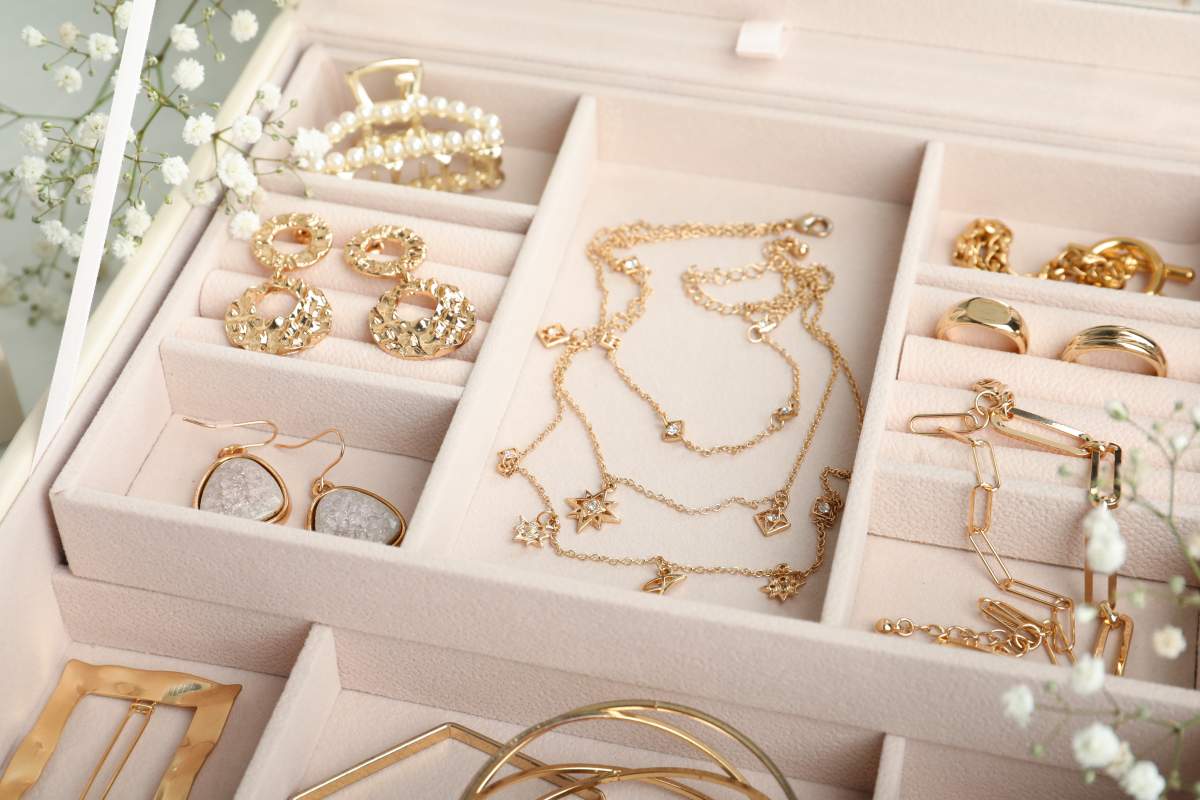
Storing pearls in plastic bags, airtight containers, or in direct sunlight can also contribute to dullness. A soft, breathable fabric pouch or compartment in a jewelry box is safer for most area households.
Are Local Climate and Seasonal Factors a Concern?
Glastonbury’s seasons bring both humid summers and dry winters—each with unique risks for pearls. High humidity can increase sweat and skin oil transfer, while indoor heating in winter can dry out pearls quickly.
Area households using wood stoves or radiators may find jewelry kept nearby loses moisture more rapidly. Maintaining moderate room humidity, especially in bedrooms or personal jewelry storage areas, helps reduce these effects.
Are Pearls More Fragile Than Other Gemstones?
Unlike minerals like sapphires or diamonds, pearls are relatively soft and porous. They absorb and react with substances around them much more readily. This is why even a careful hand-wash or accidental splash when doing dishes in a Glastonbury kitchen can take a greater toll on pearls than on most stones or metals.
Misinformation sometimes leads people to clean pearls with ultrasonic cleaners or abrasive jewelry cloths—methods that will remove delicate nacre and leave the surface permanently dull.
What Are Common Signs That Luster Is Fading?
The first sign is a patchy or chalky appearance, especially in areas that touch the skin most often. Lines, spots, or an overall milky haze may also develop. Some community members discover changes when restringing pearl necklaces and comparing previously hidden sections with more exposed ones.
Comparing multiple pearls in a strand or pair can reveal subtle differences, helping local residents spot when some lose luster faster than others.
Can Lost Luster Be Restored?
Most luster loss is permanent because nacre, once thinned, cannot be rebuilt outside the mollusk. Routine cleaning with a damp, soft cloth can remove surface residues and revive some shine, but will not restore the pearl’s original brilliance if the nacre is significantly eroded.
If pearls are significantly dull, most of the remedies involve gentle cleaning rather than invasive polishes or treatments, which are generally discouraged as they can exacerbate damage.
Is Professional Help Ever Necessary for Pearl Care?
While daily care is manageable at home, extensive damage such as deep scratches, pitting, or structural weakness may call for specialist evaluation. However, for most households in Glastonbury, careful maintenance and cautious handling are enough to prevent the majority of luster loss complications.
Pearls thrive with mindful use and storage, and their distinctive shine can last for generations in local families who follow best care practices.