

 See My Latest Article on HelloNation
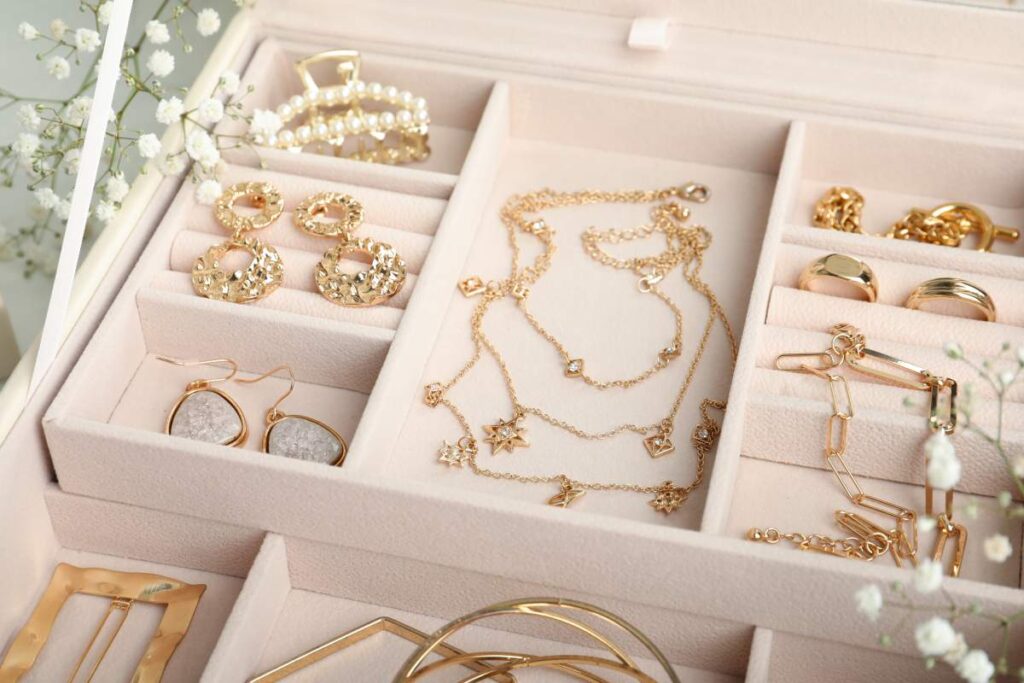
Silver tarnish is a surface reaction, not a sign that jewelry is fake or permanently damaged. Sterling silver gradually darkens when the metal interacts with sulfur-containing gases, moisture, skin oils, cosmetics, and other substances in the surrounding environment.
For residents of Glastonbury, CT, seasonal humidity, indoor heating, perspiration, and everyday household storage can all affect how quickly silver changes appearance. The good news is that tarnish is usually removable, and simple storage and wearing habits can slow its return.
What causes silver to tarnish?
Silver tarnishes because it reacts with compounds in the air and on the skin. The main culprit is usually sulfur, which can be present in very small amounts in airborne pollutants, rubber, wool, paper products, some cosmetics, and household materials.
Sterling silver is not pure silver. It typically contains silver combined with a small amount of another metal, often copper, to improve strength. This makes the jewelry more durable for everyday use, but the additional metal can also contribute to oxidation and discoloration.
Common causes of tarnish include:
- Humidity and moisture
- Perspiration and natural skin oils
- Perfume, lotion, hairspray, and makeup
- Chlorine and salt water
- Household cleaning chemicals
- Rubber bands, cardboard, paper, and certain fabrics
- Long periods of storage without protective wrapping
Tarnish may appear as a pale yellow film, a gray haze, or a dark black coating. These changes happen on the surface and do not necessarily indicate damage to the underlying metal.
Does humidity make silver tarnish faster?
Yes. Moist air gives chemical reactions more opportunity to occur, so silver often tarnishes faster in damp conditions. Bathrooms, kitchens, basements, and poorly ventilated storage areas can be especially challenging.
Seasonal conditions in Glastonbury can also influence jewelry care. Humid summer weather may increase perspiration and moisture exposure, while winter heating can create dry indoor air but may also encourage people to store jewelry in enclosed spaces with fabrics, paper, or treated wood.
A jewelry box kept in a bathroom is usually a poor choice because temperature changes and shower steam create repeated moisture exposure. A bedroom drawer or other stable, dry location is generally more suitable.
Why does silver tarnish more quickly on some people?
Silver can react differently depending on the wearer’s skin chemistry and daily routine. Perspiration contains salts and other compounds that may speed tarnishing. Skincare products, medications, lotions, and soaps can also change the substances that remain on the metal.
This does not mean that a person’s skin is harmful or unhealthy. It simply means that jewelry is being exposed to a particular combination of moisture and chemicals.
A ring worn every day may tarnish differently from a necklace worn occasionally. Jewelry that fits closely against the skin, such as bracelets and rings, may show changes sooner because it receives more contact with perspiration, lotion, and friction.
How can silver tarnish be prevented?
The most effective approach is to limit moisture, chemicals, and prolonged exposure to air. Silver does not need to be isolated from life entirely, but it benefits from consistent care.
Before storing silver:
- Wipe it gently with a clean, soft cloth.
- Make sure it is completely dry.
- Remove lotion, cosmetics, and perspiration when possible.
- Store each piece separately to reduce scratching and tangling.
- Keep jewelry away from bathrooms, kitchens, and damp basements.
Anti-tarnish strips or treated storage materials can help absorb or limit reactive compounds inside a jewelry container. A sealed plastic bag can also reduce air exposure, but pieces should be dry before being enclosed. Soft, clean pouches are preferable to loose storage with paper, cardboard, or rubber materials.
Avoid placing several silver pieces together if they can rub against one another. Tarnish prevention should not create new problems such as scratches, bent chains, or damaged settings.
Should silver jewelry be worn regularly?
Regular wear can sometimes help keep light tarnish from building up because gentle contact with clothing or a polishing cloth removes some surface residue. However, wearing silver during activities involving water or chemicals can accelerate damage.
Remove silver jewelry before:
- Showering or swimming
- Using household cleaners
- Applying lotion, perfume, or hairspray
- Exercising heavily
- Entering hot tubs or chlorinated water
- Doing yardwork or other tasks that expose jewelry to dirt and moisture
Salt water and chlorine are especially harsh on many jewelry materials. They can affect not only silver but also gemstones, coatings, soldered joints, and delicate finishes.
What is the safest way to clean tarnished silver?
For light tarnish, a silver-polishing cloth is often the simplest option. Rub gently rather than applying heavy pressure. Excessive polishing can remove intentional antique finishes, alter textured surfaces, or thin delicate details over time.
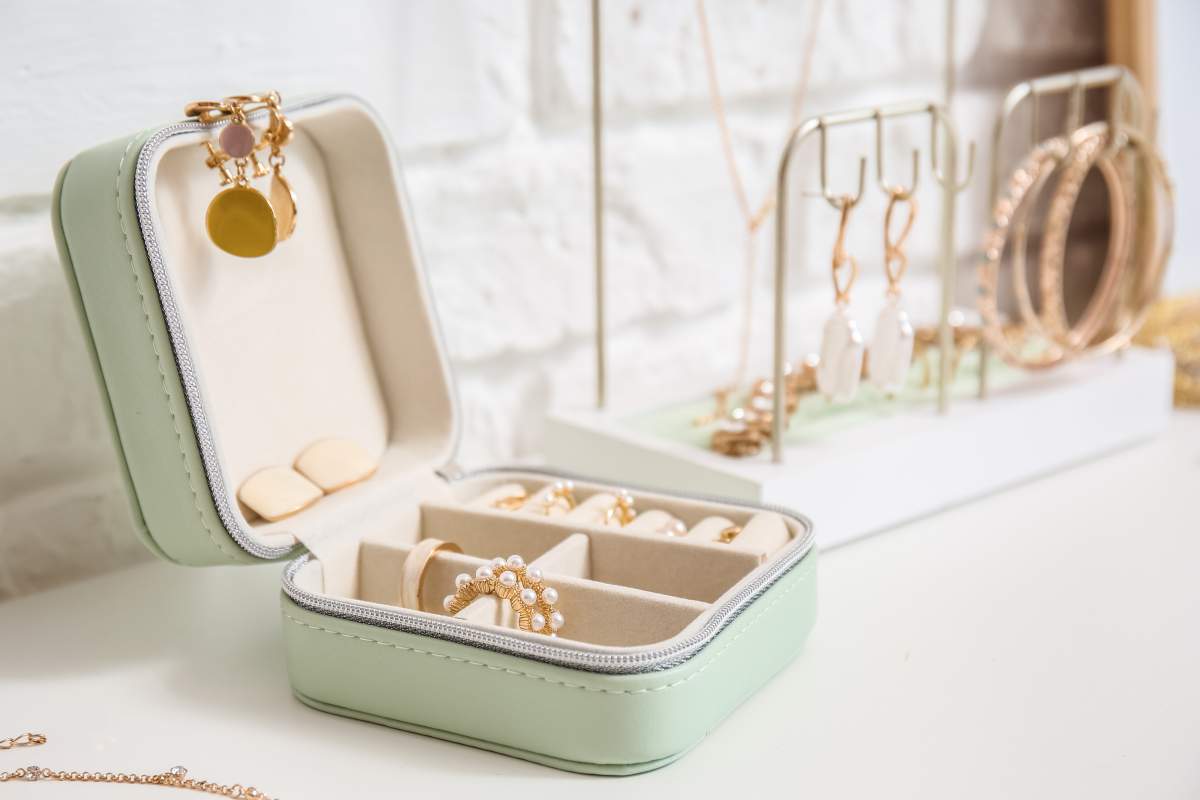
For plain sterling silver without fragile stones, a small amount of mild soap diluted in lukewarm water may help remove oils and residue. Rinse carefully and dry immediately with a soft cloth.
Extra caution is needed with:
- Pearls
- Opals
- Turquoise
- Emeralds
- Porous or untreated stones
- Enamel
- Plated jewelry
- Pieces with glued components
- Antique or intentionally oxidized finishes
Abrasive toothpaste, rough household sponges, powdered cleaners, and unverified chemical dips can scratch metal or damage stones. Baking soda methods are also not universally safe, especially for plated, textured, antique, or gemstone-set jewelry.
If a piece has a darkened finish by design, aggressive polishing may remove the contrast that creates its appearance. Cleaning should match the construction and finish of the item rather than relying on a single method for all silver jewelry.
Is black silver tarnish dangerous?
Ordinary silver tarnish is generally a cosmetic surface change, not a dangerous condition. It can sometimes leave dark marks on the skin, particularly when moisture, lotions, or other residues are present. These marks do not automatically indicate an allergy.
Skin irritation may have other causes, including soap residue, trapped moisture, nickel in an alloy, friction, or a reaction to a coating or cleaning product. If redness, swelling, pain, blistering, or persistent itching occurs, stop wearing the item until the cause is understood. Symptoms that continue or worsen may require medical attention.
Does sterling silver tarnish more than pure silver?
Pure silver is less reactive but also too soft for many forms of everyday jewelry. Sterling silver is stronger because it contains a small amount of another metal, which makes it more practical for rings, chains, bracelets, and detailed designs.
As a result, sterling silver is more likely to tarnish than highly pure silver. This is normal and does not mean the jewelry is low quality. Proper storage, careful use, and occasional gentle cleaning can keep sterling silver attractive for many years.
How often should silver be cleaned?
There is no fixed cleaning schedule. Lightly worn pieces may need attention only a few times a year, while frequently worn rings and bracelets may benefit from a quick wipe after use.
A useful routine is:
- Wipe jewelry after wearing it.
- Inspect it before storing it.
- Clean light residue before it becomes a heavy dark coating.
- Check chains, clasps, settings, and stones during cleaning.
- Store pieces dry and separated.
Early, gentle care is usually safer than waiting until thick tarnish requires vigorous rubbing or chemical treatment.
IMAGE_ALT:
A person gently polishing a tarnished silver bracelet beside a soft cloth and jewelry storage pouch.